






If you love Dominican food, you already know it’s not just about flavor — it’s about family, history, and culture passed down through generations. Dominican cuisine reflects centuries of influence, survival, and creativity, shaped by Indigenous Taíno roots, African traditions, Spanish colonization, and later Middle Eastern and Chinese migration.
When you think of food from the Dominican Republic, a few staples probably come to mind right away: rice, plantains, and salami. While these ingredients aren’t usually combined in the same dish (except in favorites like locrio de salami with tostones), at least one of them appears in most Dominican meals. They’ve become everyday symbols of Dominican cooking.
But Dominican food is more than ingredients — it’s a reflection of our history. Many of the dishes we consider traditional today only exist because of the cultures that influenced the island over hundreds of years. Understanding Dominican cuisine means understanding where these flavors come from, who brought them, and how Dominican families made them their own.
What is traditional Dominican food?
Traditional Dominican food includes everyday home cooking, celebratory dishes, street food, and desserts. Some of the most well-known Dominican dishes include:
- Mangú (mashed green plantains)
- Tostones (fried green plantains)
- Sancocho dominicano (hearty meat and vegetable stew)
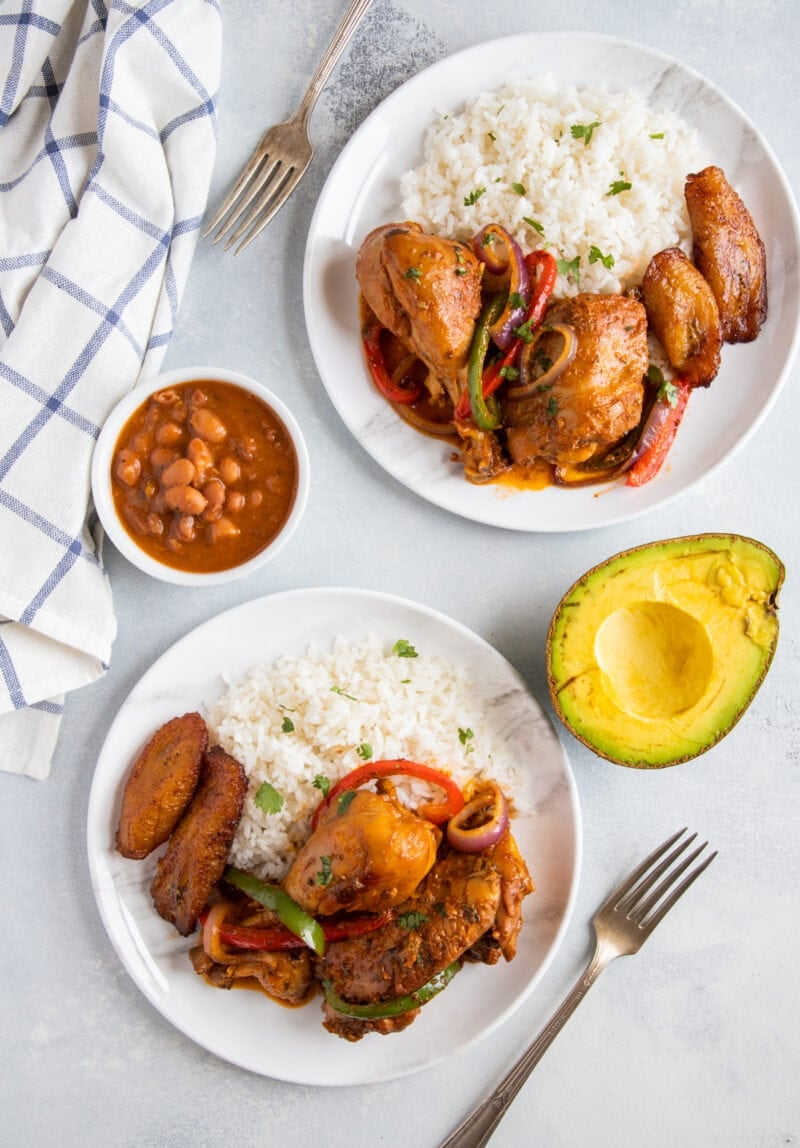
- Pollo guisado (Dominican braised chicken)
- Moro de habichuelas (rice with beans)
One ingredient that appears again and again in Dominican cuisine is the plantain (plátano). Much like potatoes in other cultures, plantains are incredibly versatile. They can be fried, boiled, mashed, baked, or left to ripen and fried into sweet maduros. Whether served as a side, turned into a main dish like mangú, or added to soups and stews, plantains are a cornerstone of Dominican food.
What makes Dominican food unique?
Dominican food is deeply comforting, flavorful, and rooted in tradition. The flavors come from slow-cooked meats, sautéed onions and peppers, garlic, Dominican oregano, adobo, sazón, and stews that simmer until the flavors meld together. Meals often include rice, beans, fried sides, salads, and avocado — creating a balance of textures and flavors on the plate.
But what truly makes Dominican cuisine unique is the heart behind it. Dominican cooking is often learned at home, watching parents and grandparents cook without measuring cups, guided by instinct, experience, and love. Food is how families gather, how stories are told, and how culture is passed on.
There’s also a strong connection between Dominican food and the land. Many traditional dishes were born in rural areas where families raised animals, grew vegetables, and cooked what they had available. That agricultural foundation is still reflected in the abundance of root vegetables, beans, herbs, and fresh ingredients found in Dominican cuisine today.
Cultural Influences on Dominican Food
Dominican cuisine is the result of centuries of cultural blending. Each influence shaped the flavors, ingredients, and cooking methods we recognize today as Dominican food.
Spanish Influences on Dominican Cuisine
The Dominican Republic was under Spanish rule for centuries, beginning in 1492. This long period of colonization brought new ingredients, animals, and cooking techniques to the island, including rice, wheat, dairy, pork, and cattle. Many traditional Dominican dishes exist today because of this influence.
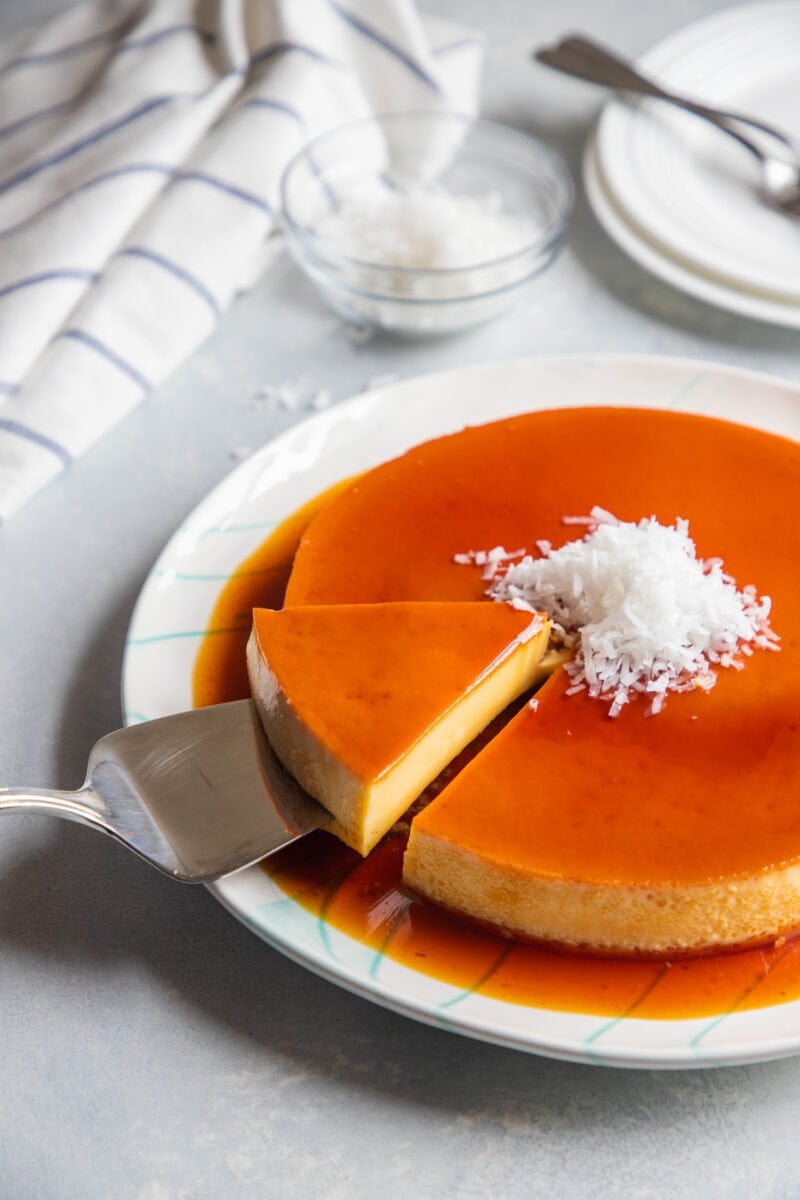
Two of the most iconic Dominican meals connected to Spanish culinary traditions are sancocho dominicano and La Bandera Dominicana, the national dish made of rice, beans, and meat. Spanish influence is also present in beloved Dominican desserts such as arroz con leche, flan, and quesillo.
While these dishes have European roots, Dominicans adapted them with local ingredients, spices, and cooking styles — creating flavors that are uniquely Dominican.
Middle Eastern Influences on Dominican Cuisine
One cultural influence that often goes unnoticed in Dominican food is Middle Eastern cuisine. This influence arrived through Spanish history and later Arab migration to the Dominican Republic. One of the clearest examples is kipes (quipe), the Dominican version of Lebanese kibbeh.
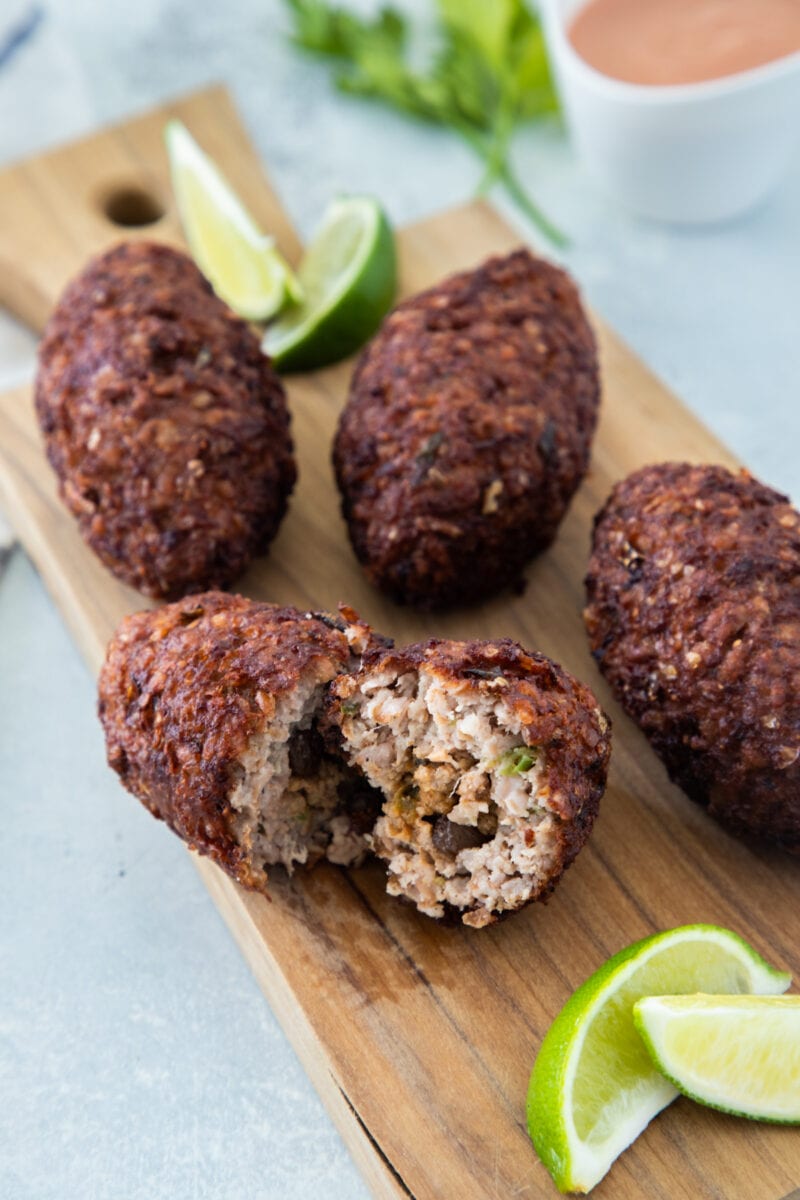
Dominican kipes are typically made with bulgur and seasoned beef, then fried until crispy. Unlike traditional kibbeh, Dominican versions omit lamb and some of the herbs used in Middle Eastern cooking, adapting the dish to Dominican tastes and ingredients.
Other dishes influenced by Middle Eastern cuisine include arroz con fideos (rice with toasted noodles) and niño envuelto (stuffed cabbage rolls), both of which have become part of Dominican home cooking.
Taino Influences on Dominican Food
The roots of Dominican food begin with the Taíno people, the Indigenous inhabitants of the island of Hispaniola before European colonization. The Taínos called the island Ayiti, meaning “land of high mountains.” Although history lessons often credit Christopher Columbus with “discovering” the island in 1492, the Taíno people were already living, farming, and cooking on this land long before European arrival.
Colonization and disease devastated the Taíno population, but their cultural and culinary influence lives on in Dominican food today. Many Dominicans also carry Taíno ancestry, and several traditional foods come directly from Taíno cooking.
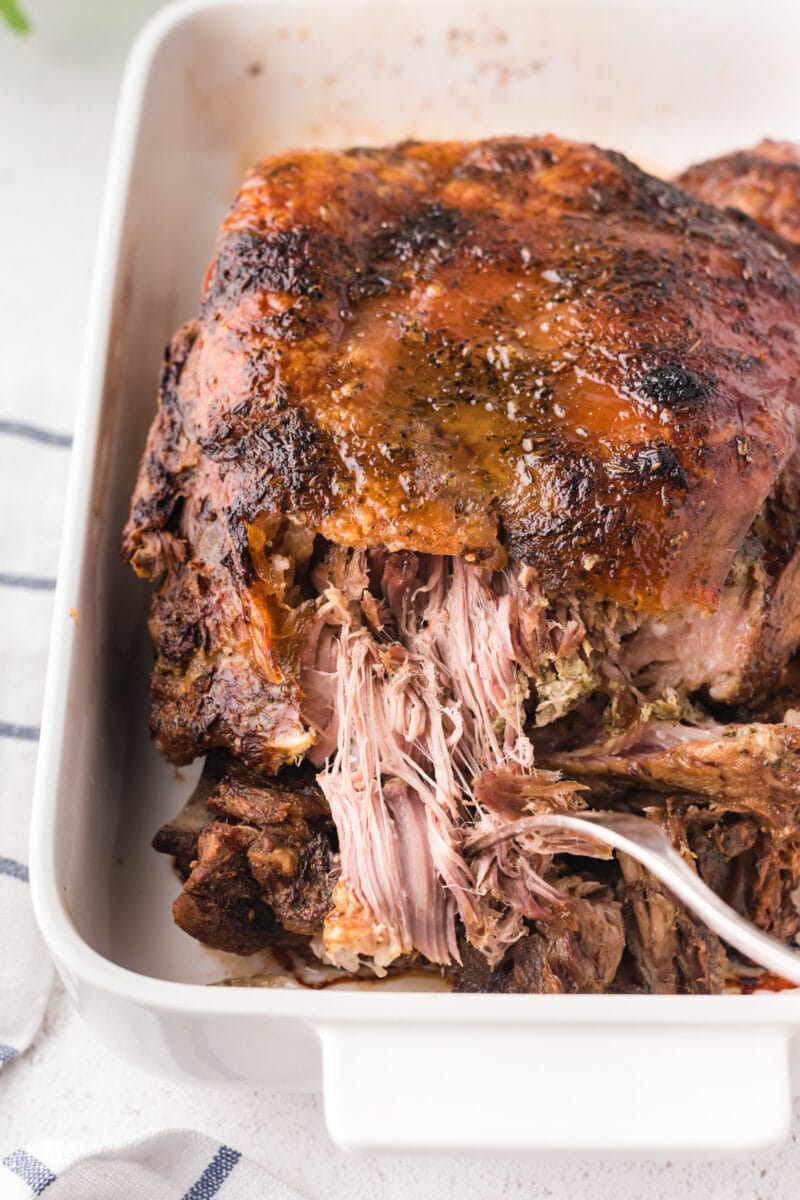
One of the most enduring Taíno contributions to Dominican cuisine is casabe, a thin flatbread made from yuca (cassava). Casabe is still eaten today as a side for soups and stews or enjoyed with roasted meats like pernil. Yuca and corn, both staples of Taíno agriculture, remain essential ingredients in Dominican kitchens.
African Influences on Dominican Cuisine
African influence is deeply woven into Dominican food culture, especially through the legacy of enslaved Africans brought to the island. One of the most iconic Dominican dishes influenced by African traditions is mangú, made by mashing boiled green plantains with water and fat.
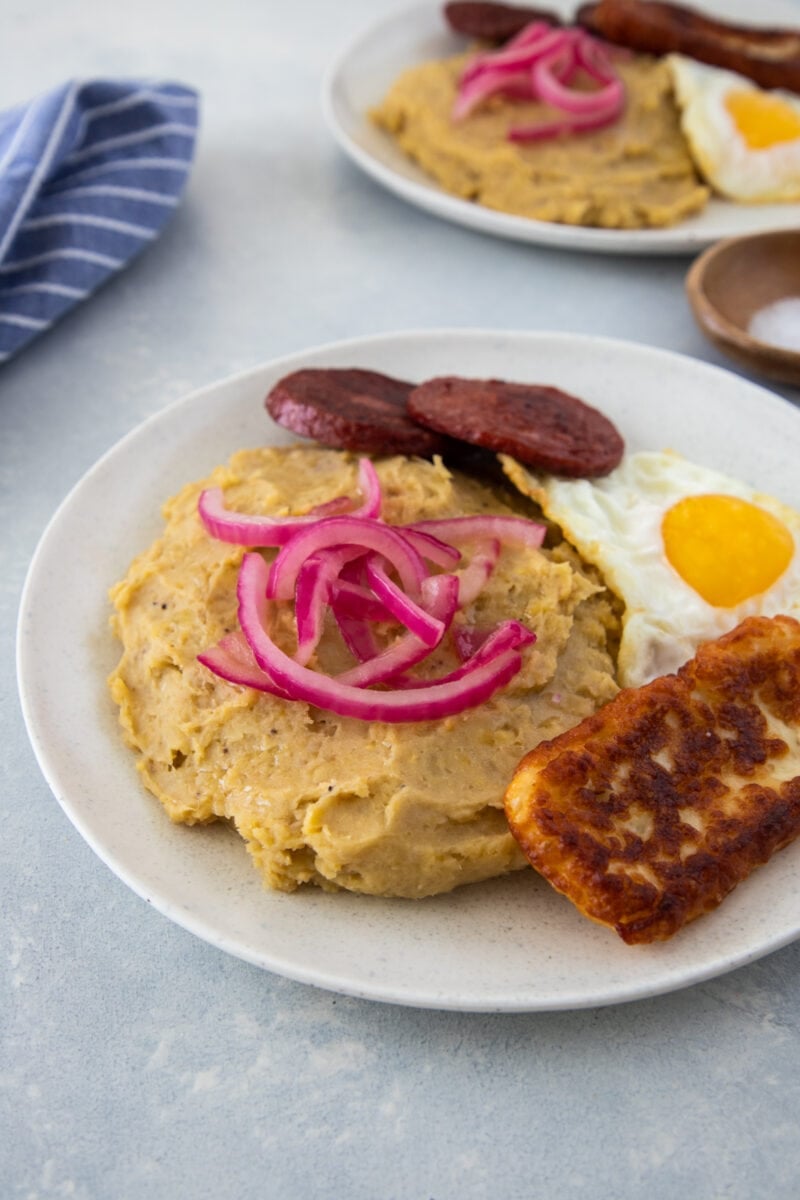
The name “mangú” is often linked to a popular Dominican-American story about U.S. soldiers saying “man, good,” but linguistically, the word traces back to West African roots referring to mashed starchy vegetables. Similar dishes exist across the African diaspora, including fufú, which closely resembles mangú.
Plantains themselves, now central to Dominican cuisine, were already a staple crop in West Africa long before they arrived in the Caribbean. Through African culinary traditions, plantains became a foundation of Dominican food.
Chinese Influence on Dominican Cuisine
Chinese influence is especially visible in popular Dominican-Chinese fusion dishes like chofán (Dominican chow fan), a fried rice dish made with Dominican seasonings and proteins. Chinese immigrants began settling in the Dominican Republic in the 19th century, opening restaurants and small businesses that blended Chinese techniques with Dominican flavors.
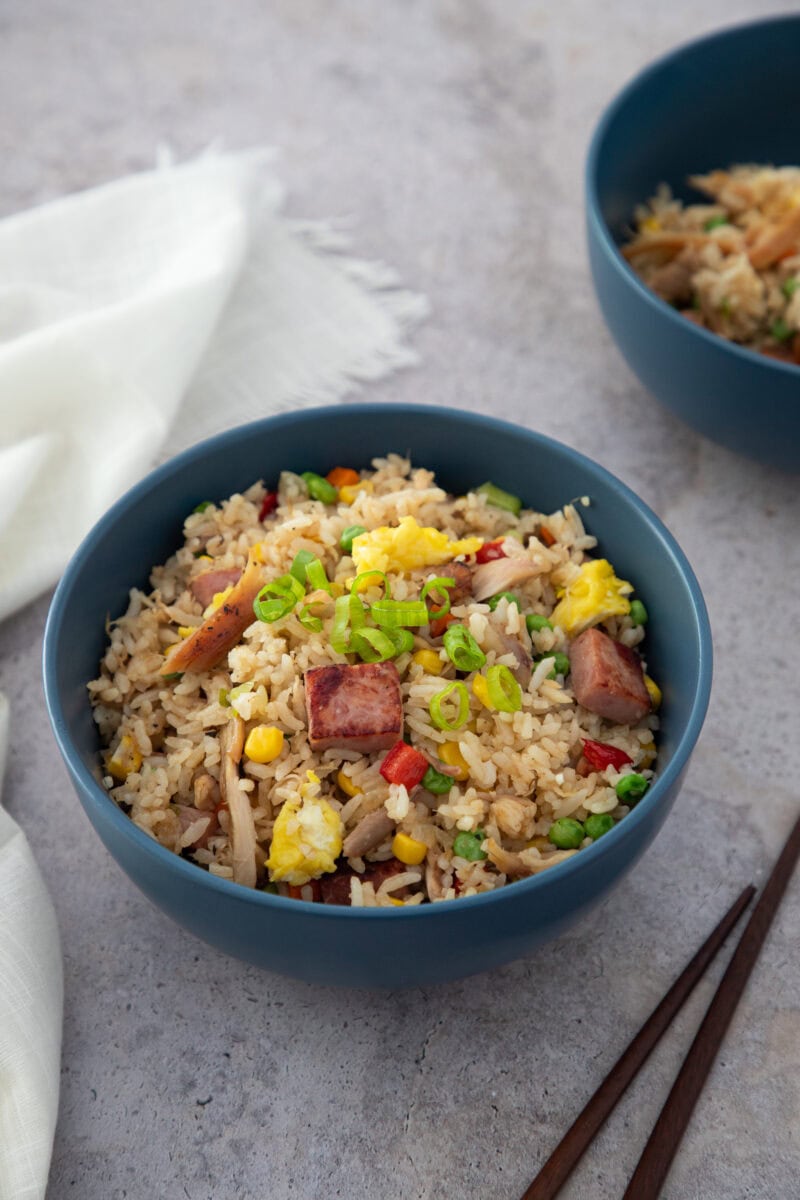
Over time, Dominican-Chinese restaurants became a beloved part of everyday food culture, known for fried rice, fried chicken (Pica Pollo), and fusion plates. This blending of cuisines reflects how Dominican food continues to evolve while staying rooted in tradition.
What is the national dish of the Dominican Republic?
The national dish of the Dominican Republic is La Bandera Dominicana, literally “the Dominican flag.” This everyday lunchtime meal consists of white rice, stewed beans, and meat, symbolizing the colors of the Dominican flag. The meat is often pollo guisado, beef, or pork, and the beans can vary from red kidney beans to pigeon peas.
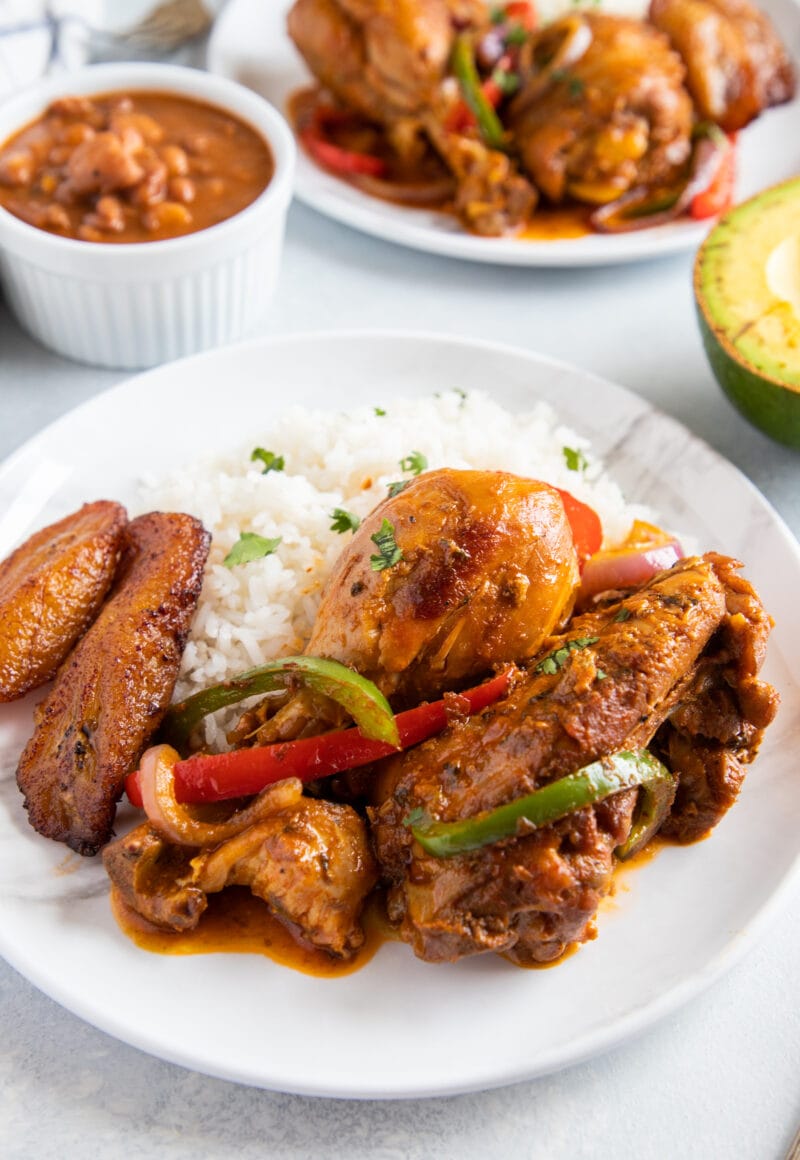
No plate of La Bandera is complete without sides. Dominican meals are almost always served with salad, avocado, and some form of plantains, whether crispy tostones or sweet maduros. This combination reflects how Dominican food balances comfort, flavor, and tradition in a single plate.
10 Most Popular Traditional Dominican Dishes
- Rice with Beans (Moro de Habichuelas)
- Pollo Guisado (Dominican Braised Chicken)
- Mangú con Los Tres Golpes (The ultimate Dominican breakfast)
- Sancocho (Caribbean and Vegetables Stew)
- Asopao (Shrimp and Rice Pottage)
- Puerco Asado (Pork Roast)
- Habichuelas con Dulce (Sweet Cream of Beans)
- Tostones (Fried Green Plantains)
- Mondongo Soup (Beef Tripe Stew)
- Authentic Dominican Beans (Stewed Beans)
Explore my full collection of authentic Dominican recipes to cook these dishes at home.
Final Thoughts
Dominican food tells the story of a people shaped by history, resilience, and cultural blending. Every plate carries influences from Indigenous Taíno roots, African traditions, European colonization, and immigrant communities that made the Dominican Republic what it is today. When you cook Dominican food, you’re not just making a meal, you’re continuing a story that has been passed down through generations.


 Follow Me on Facebook
 Follow Me on Instagram
Forrest Lamb says
A friend, durint a visit to her home in Arizona, turned me on to a Dominican diet. The first time that I had Dominican food, the next morning I woke up without body inflamation. The arthritic pain was gone. I no pains anywhere. I felt perfectly healthy. I several day, until I returned home and I ate my next typical American diet meal and all health benefits were off. I got to get it back.
My Dominican Kitchen says
Wow, thank you so much for sharing that experience, that’s really powerful.
Dominican food is full of fresh ingredients, simple seasonings, and balanced meals, so it’s amazing to hear how good it made you feel. I hope you’re able to enjoy more of it and keep finding what works best for you!
zidane says
this article is very useful, thank you for making a good article